Iran War Puts Pressure on European Footwear Production Amid Rising Oil Prices and Supply Chain Disruptions
16 April 2026Ongoing tensions surrounding the war in Iran are causing significant disruptions to global energy supplies and logistics networks. According to a recent analysis by the Footwear Distributors and Retailers of America (March 2026), this has both direct and indirect consequences for the footwear industry, including production for the Dutch and broader European markets.
Oil Crisis Impacts Global Supply Chains
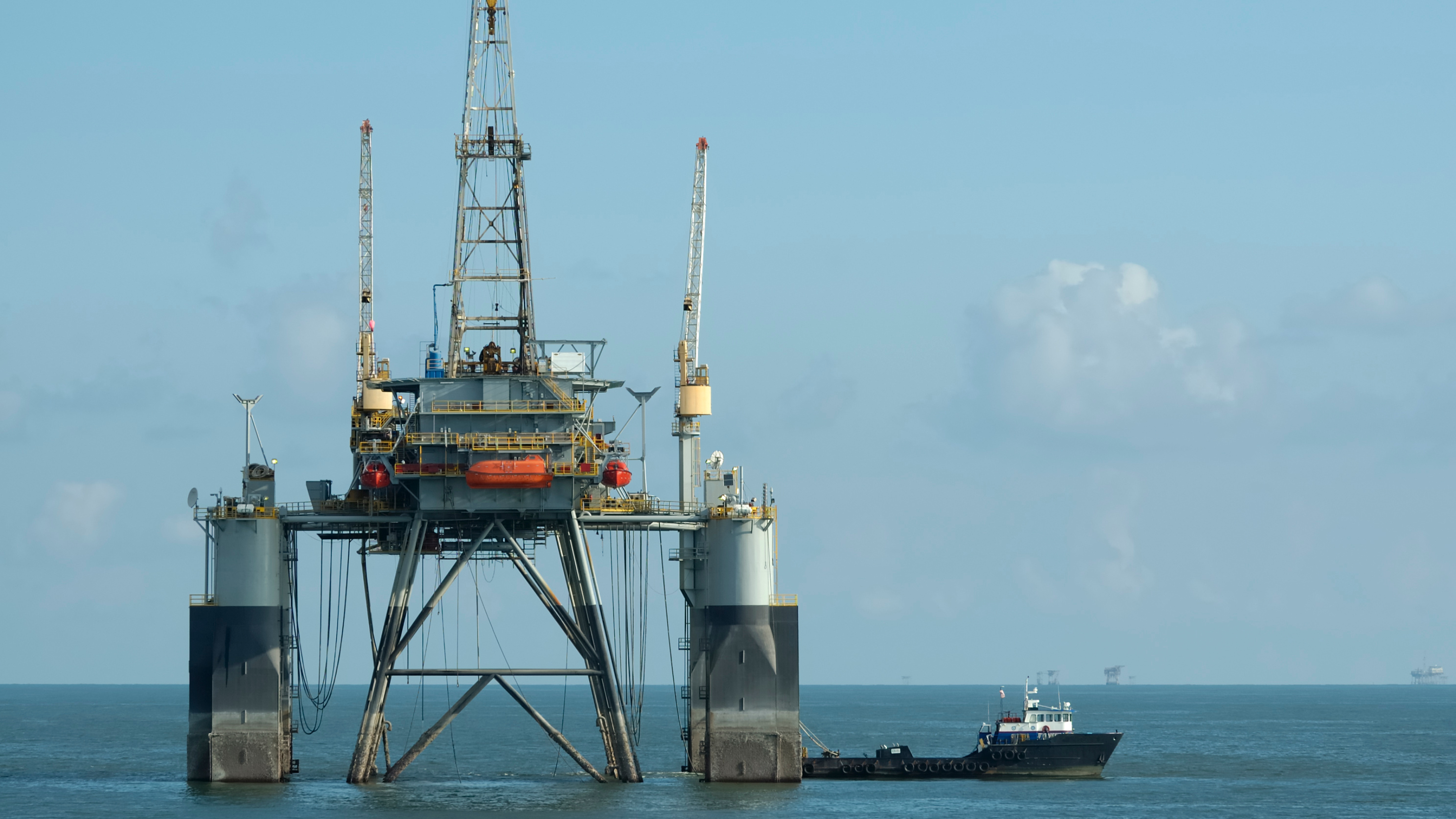
The conflict has led to one of the largest disruptions in oil supply in recent history. Due to blockades in the Strait of Hormuz—accounting for approximately 20% of global oil transit—oil prices have surged and become highly volatile.
In March, prices peaked at around $120 per barrel, with sharp fluctuations driven by geopolitical developments. Recent events indicate that even with a temporary ceasefire, the market remains fragile and supply constraints may persist over the longer term.
Impact on Footwear Production
The FDRA analysis highlights that rising energy and transportation costs are directly affecting the cost structure of footwear manufacturing. This has several implications:
Higher production costs: Many footwear materials, such as synthetics, rubber, and plastics, are oil-dependent. Increased oil prices translate directly into higher material costs.
Rising logistics costs: Transportation expenses (both sea and air freight) are increasing due to higher fuel prices and elevated insurance premiums in conflict zones.
Supply chain disruptions: Rerouting of shipping lanes and delays are leading to longer lead times and higher inventory levels.
In addition, the war is causing broader disruptions in raw materials and chemical industries that are essential to footwear production.
Specific Impact on Europe and the Netherlands
For the European market, the effects are particularly pronounced due to its strong dependence on energy imports. The conflict has driven up gas and electricity prices in Europe, placing additional pressure on industrial production.
For Dutch and European footwear companies, this results in:
Margin pressure due to higher sourcing and production costs
Rising consumer prices, partly driven by inflationary pressures
Increased risks in planning and inventory management
Acceleration of nearshoring and diversification of production
Structural Changes in the Industry
The FDRA notes that this crisis may accelerate structural shifts within the global footwear supply chain. Companies are increasingly focusing on:
Reducing dependence on oil-intensive materials
Exploring alternative production locations closer to end markets
Implementing more efficient and sustainable logistics solutions
At the same time, economists expect energy prices and inflation to remain elevated for an extended period, even in the event of de-escalation.
Conclusion
While the Iran war presents significant challenges for the global footwear industry, it also creates opportunities for innovation and strategic repositioning. For Dutch and European footwear companies, the current situation may serve as a catalyst for accelerating innovation, sustainability efforts, and strengthening regional supply chains.
Companies that invest now in flexible supply chains, alternative materials, and more efficient logistics may ultimately emerge stronger in a transforming market. As such, this geopolitical crisis represents not only a threat but also a catalyst for a more future-proof and resilient footwear industry.
Editorial: cast.nl
Source: FDRA – Iran War Oil Impact Analysis, March 2026